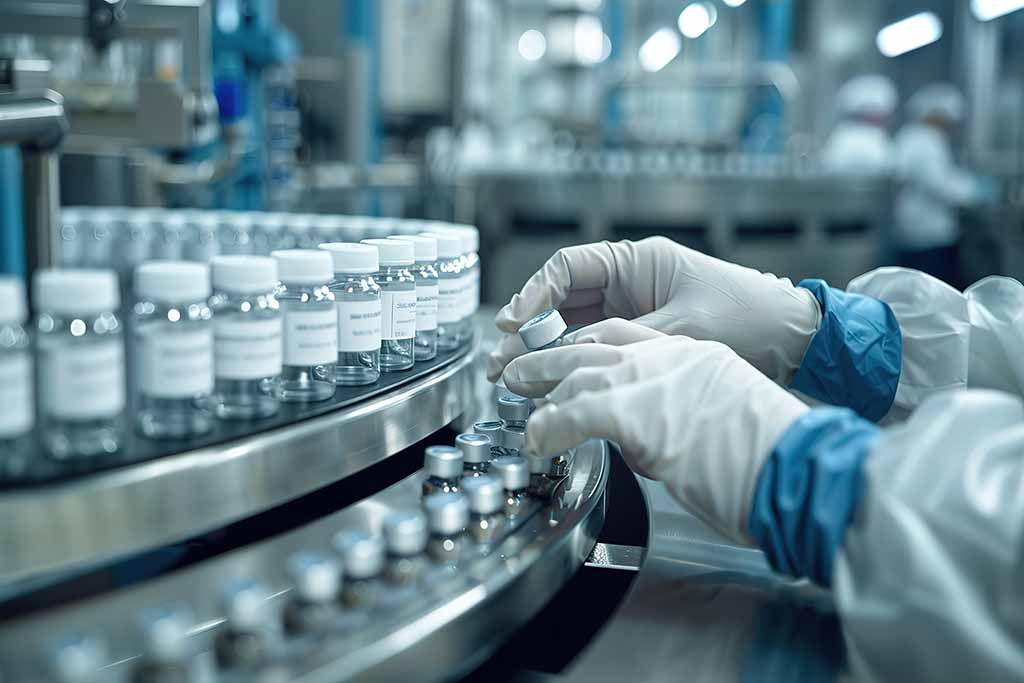
Our Product Journey

From Cell Source to Clinical-Grade Exosomes

Every therapeutic exosome begins long before isolation.

At Bioflirt Labs, product development is a structured scientific journey – not a single laboratory step.

Therapeutic exosomes are not simply extracted.

They are developed – through defined processes, validated systems, and measurable precision

Source Intelligence

The journey begins with responsible and carefully selected biological sources

Isolation & Purification

Exosomes are isolated using scalable and integrity-preserving systems

Molecular Characterization

Before any functional claim, exosomes undergo rigorous profiling

Functional Potency

Exosomes are evaluated in controlled biological systems

QA/ QC Assurance

Each batch undergoes structured QA/ QC including

Final Readiness

Exosome product move forward to formulation and application development

01 Source Intelligence

The journey begins with responsible and carefully selected biological sources.

  • Tissue screening and donor qualification
  • Age and biological background evaluation
  • Controlled cell culture conditions (2D/3D, hypoxia optimization)
  • Sterility and biosafety validation


We do not assume all cells produce equal exosomes.

We define the source before defining the product.

02 Controlled Isolation & Purification

Exosomes are isolated using scalable and integrity-preserving systems:

  • Tangential Flow Filtration (TFF)
  • Size Exclusion Chromatography (SEC)
  • Protein contamination reduction
  • Membrane integrity preservation


Isolation defines purity.

Process defines reproducibility.

03 Molecular Characterization

Before any functional claim, exosomes undergo rigorous profiling:

  • Single-particle analysis (CytoFLEX Nano)
  • Surface marker validation
  • Multi-OMICs molecular profiling
  • Batch consistency evaluation


We validate identity before evaluating performance

Beyond Particle Count

Particle concentration is often reported as a primary metric in extracellular vesicle preparations. However, therapeutic relevance cannot be defined by quantity alone.

Particle count does not describe:

  • Molecular cargo composition
  • Mechanism of action
  • Functional potency
  • Biological consistency across batches


Two EV preparations may contain comparable particle numbers —

yet differ significantly in molecular profile and clinical potential.

At Bioflirt Labs, particle quantification is considered a baseline parameter. Therapeutic value is defined through molecular identity, mechanism-linked profiling, and validated functional performance.

Because in therapeutic exosomes — quality is not measured by how many — but by what they carry and how they function.

04 Functional Potency Assessment

Exosomes are evaluated in controlled biological systems:

  • Angiogenesis assays
  • Inflammation modulation models
  • ECM remodeling studies
  • Senescence and mitochondrial function assessment


This stage links molecular cargo to measurable biological outcomes.

From descriptive biology to defined therapeutic potential.

05 Quality & Safety Assurance

Each batch undergoes structured QA/ QC including:

  • Critical Quality Attribute (CQA) verification
  • Sterility and endotoxin testing
  • Molecular impurity screening
  • Batch traceability and documentation


Built under ISO 13485–aligned systems.

Designed for clinical translation.

06 Final Product Readiness

Only after identity, purity, potency, and safety are confirmed does an exosome product move forward to formulation and application development.

Clinical relevance is not assumed — it is validated.

The Bioflirt Standard

Source-defined cell biology

Integrity-preserving isolation

Multi-OMICs molecular identity

Mechanism-linked potency

ISO 13485–aligned quality systems

From cell source to clinical-grade exosomes — every step is intentional.

Our Product

Contact us

Bioflirt Labs

Follow us